Transforming Retail Marketing: Insights from San Francisco's Leading Experts
Introduction to Retail Transformation
In recent years, the retail industry has undergone a seismic shift. As consumer behaviors evolve and technology advances, traditional marketing strategies have been forced to adapt. San Francisco, a hub of innovation and creativity, is at the forefront of this transformation. Retail experts in the city are pioneering new methods to engage customers, drive sales, and enhance brand loyalty.
These experts emphasize the importance of understanding the modern consumer. Today’s shoppers demand personalized experiences and expect seamless integration between online and offline channels. Retailers who fail to keep up risk losing their competitive edge.
The Role of Data in Retail Marketing
Data analytics is revolutionizing the way retailers approach marketing. By leveraging customer data, businesses can craft personalized marketing campaigns that resonate with individual preferences and behaviors. This level of customization not only improves customer satisfaction but also boosts conversion rates.
San Francisco's experts highlight the use of predictive analytics to forecast trends and consumer needs. By analyzing historical data, retailers can predict future purchasing patterns, allowing them to optimize inventory and tailor marketing messages accordingly.
Enhancing Customer Experience
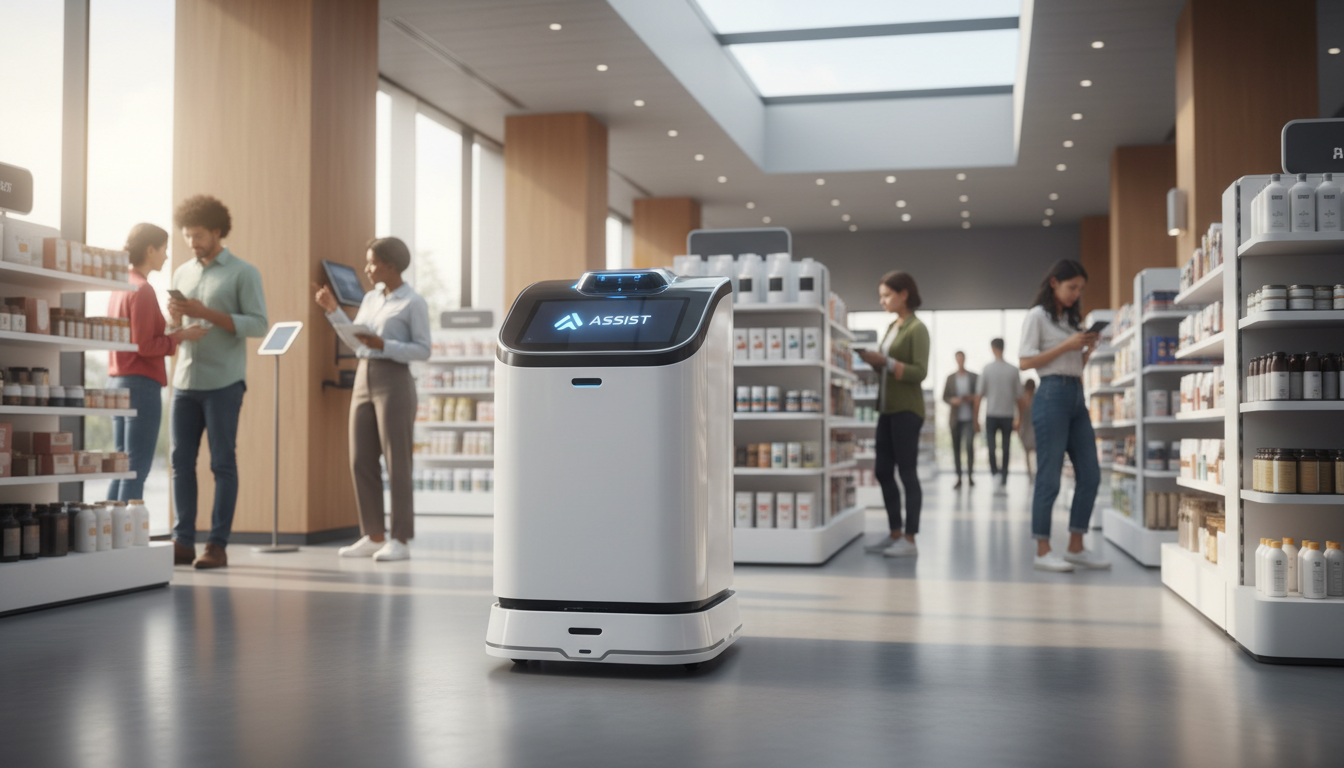
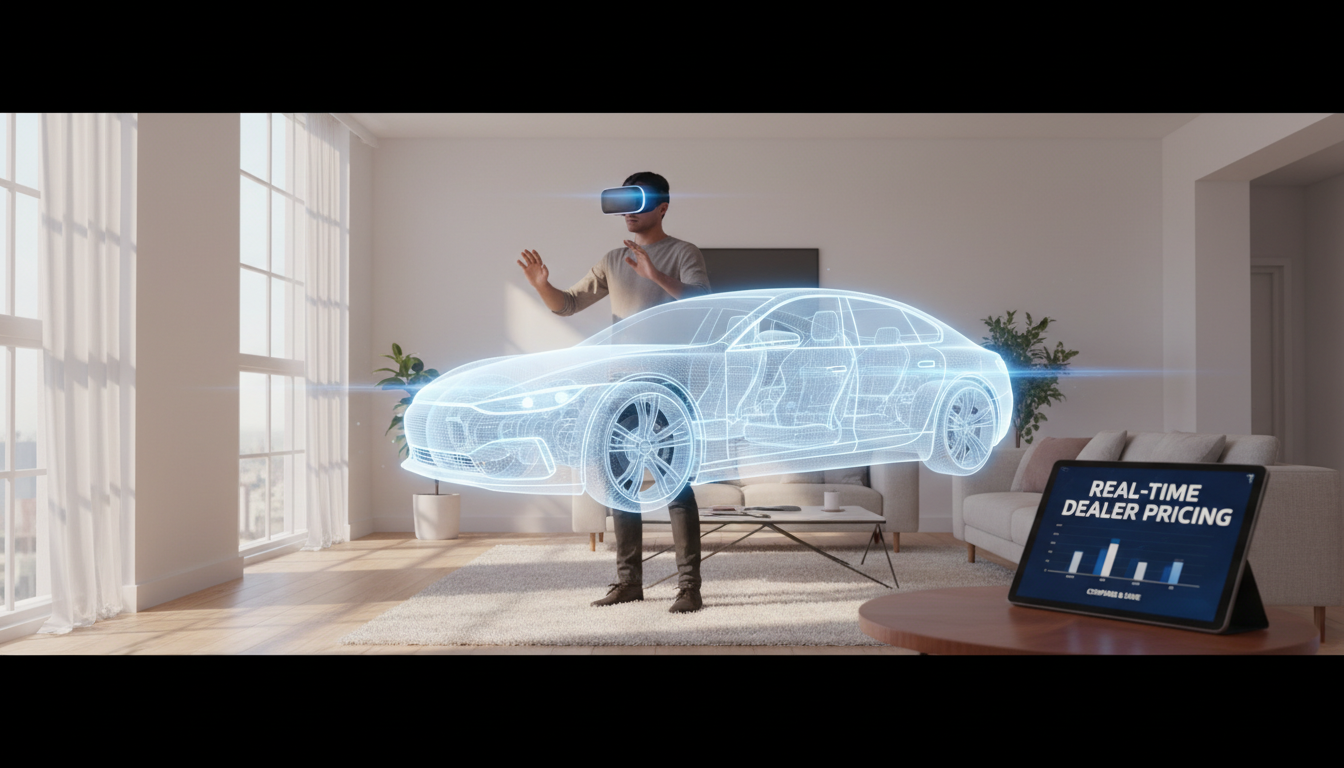
Creating a memorable customer experience is crucial in today’s competitive landscape. San Francisco retailers are utilizing cutting-edge technologies like augmented reality (AR) and virtual reality (VR) to enhance in-store experiences. These innovations allow customers to visualize products in their environment or receive virtual assistance, making the shopping process more engaging.
Omnichannel Strategies
Omnichannel marketing has become a cornerstone of successful retail strategies. By providing a cohesive experience across various platforms—such as mobile apps, websites, and physical stores—retailers can meet customers wherever they are. This approach ensures a consistent brand message and enhances customer loyalty.
Experts in San Francisco stress the importance of integrating digital and physical channels. For example, click-and-collect services have gained popularity, allowing customers to purchase online and pick up in-store, combining the convenience of online shopping with the immediacy of physical retail.
Innovative Technologies Driving Change
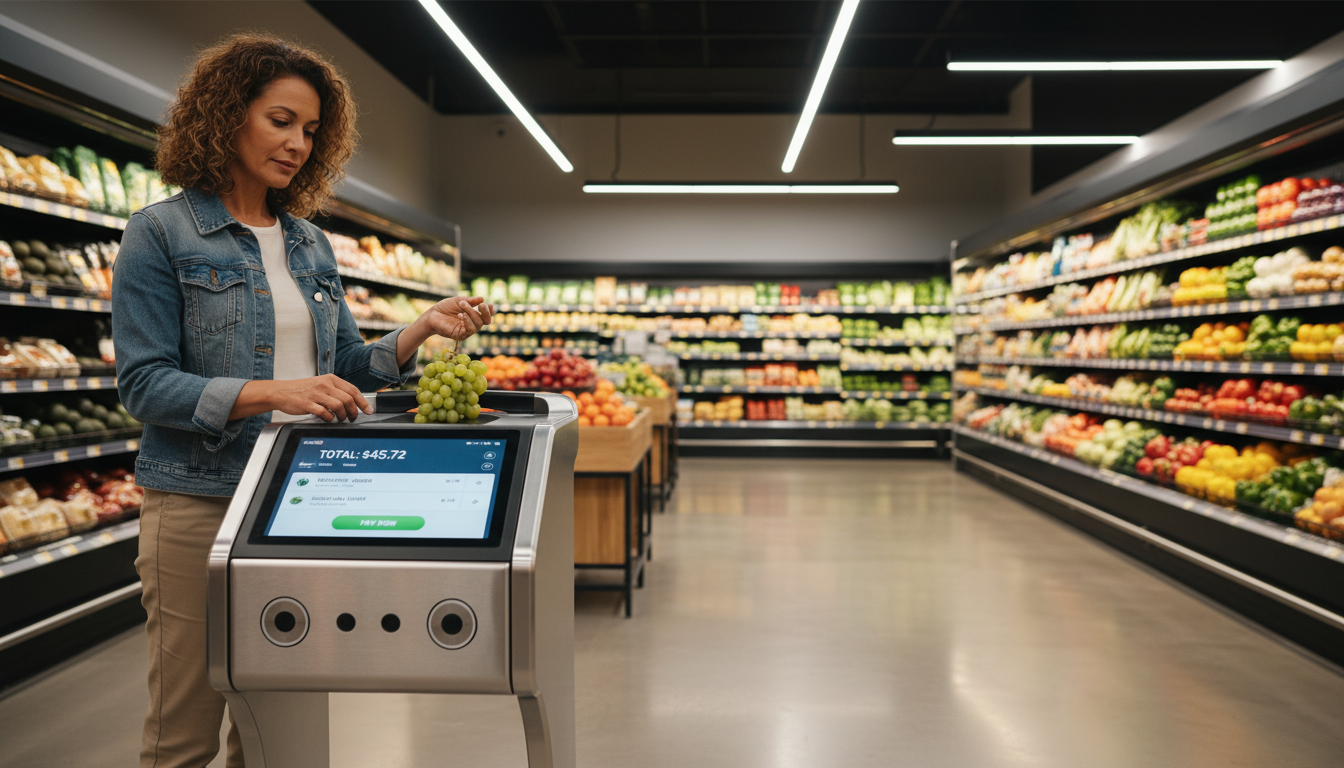
Technological advancements are continuously shaping the retail landscape. Artificial intelligence (AI) and machine learning (ML) are being used to automate processes, such as inventory management and customer service, freeing up resources for more strategic initiatives.
Additionally, blockchain technology is emerging as a tool for enhancing transparency and security in supply chains. Retailers can use blockchain to track products from manufacture to sale, ensuring authenticity and building consumer trust.
Conclusion: The Future of Retail Marketing
The insights from San Francisco’s leading experts make it clear that the future of retail marketing lies in embracing innovation and adaptability. As technology continues to evolve, retailers must remain agile, leveraging data and new technologies to stay ahead.
By focusing on customer experience, utilizing omnichannel strategies, and embracing technological advancements, retailers can thrive in an ever-changing market. The transformation of retail marketing is not just about keeping up—it's about setting the pace for the future.